Lakóhelyem: város és falu – My hometown, city vs. village
Tételszám: #10 | Kategória: Környezetünk | Szint: Középszint szóbeli (2026)
1. Miről szól ez a tétel?
Két, egymásra épülő feladat:
- a saját lakóhelyed bemutatása: hol van, mekkora, mi látható, milyen ott élni,
- a város és a falu összehasonlítása: előnyök, hátrányok, elvándorlás.
Ez a tétel a fokozás (comparatives, superlatives) és a mennyiségjelzők (much, many, a few, plenty of) gyakorlóterepe. Emellett hálás, mert bárki tud róla beszélni — épp ezért itt a konkrétság különböztet meg.
2. Kulcsszókincs — a település és látnivalói
| Angol | Magyar |
|---|---|
| capital city | főváros |
| county town | megyeszékhely |
| the outskirts / the suburbs | a város széle / külváros |
| the city centre / downtown (US) | belváros |
| neighbourhood | lakónegyed, környék |
| residential area | lakóövezet |
| pedestrian street | sétálóutca |
| main square | főtér |
| landmark | nevezetesség, tájékozódási pont |
| sights | látnivalók |
| castle / fortress | vár / erőd |
| cathedral | székesegyház |
| museum / gallery | múzeum / galéria |
| facilities / amenities | szolgáltatások, ellátottság |
| public transport | tömegközlekedés |
| infrastructure | infrastruktúra |
| population | lakosság |
| to be located / to lie | elhelyezkedni, feküdni |
Hasznos szerkezetek a bemutatáshoz:
- It's a town of about 60,000 inhabitants. — Kb. 60 ezer lakosú város.
- It lies on the bank of the Tisza, in the south of Hungary. — A Tisza partján fekszik, Dél-Magyarországon.
- It is best known for its… — Leginkább a … miatt ismert.
- It's worth visiting because… — Érdemes meglátogatni, mert…
3. Kulcsszókincs — város és falu
| Angol | Magyar |
|---|---|
| urban / rural | városi / vidéki |
| rush hour | csúcsforgalom |
| traffic jam / congestion | dugó / torlódás |
| air pollution | levegőszennyezés |
| cost of living | megélhetési költség |
| job opportunities | munkalehetőségek |
| nightlife | éjszakai élet |
| close-knit community | összetartó közösség |
| tight-knit / everyone knows everyone | mindenki ismer mindenkit |
| depopulation / rural exodus | elnéptelenedés / elvándorlás a vidékről |
| commuting | ingázás |
| quality of life | életminőség |
| pace of life | az élet tempója |
4. Fokozás — a tétel nyelvtani magja
| Szabály | Példa |
|---|---|
| Egy szótag → -er / -est | cheap → cheaper → the cheapest |
| Két szótag -y végű → -ier / -iest | noisy → noisier → the noisiest |
| Hosszabb melléknév → more / most | expensive → more expensive → the most expensive |
| Rendhagyó | good → better → the best; bad → worse → the worst; far → further |
| Hasonlítás | Budapest is more expensive than Szeged. |
| Egyenlőség | Life here is as busy as in the capital. |
| Tagadott egyenlőség | A village is not as noisy as a city. |
| Fokozatos növekedés | The village is getting smaller and smaller. |
| Párhuzamos növekedés | The bigger the city, the worse the traffic. |
⚠️ Gyakori hiba: „Budapest is more big than Szeged." → „Budapest is bigger than Szeged." Egy szótagú mellékneveknél nincs more.
⚠️ „mint" = than, nem as: „cheaper than in the city".
5. Első feladat: társalgás — kérdések és mintaválaszok
Q: Where do you live? Tell me about your town.
I live in Szeged, a city of about 160,000 people in the south of Hungary, right on the bank of the Tisza. It's the third largest city in the country and it's mainly known for two things: the university, which brings in a lot of students, and the paprika. The centre was almost completely rebuilt after the great flood of 1879, which is why the buildings there look so uniform — it's actually quite an unusual city centre for Hungary.
Szegeden lakom, ez egy körülbelül 160 ezer fős város Dél-Magyarországon, közvetlenül a Tisza partján. Az ország harmadik legnagyobb városa, és főleg két dolgáról ismert: az egyetemről, ami sok diákot hoz ide, és a paprikáról. A központot szinte teljesen újjáépítették az 1879-es nagy árvíz után, ezért néznek ki olyan egységesen az ottani épületek — elég szokatlan belváros ez magyar viszonylatban.
Q: What is there to do in your town?
Quite a lot for its size. There's a theatre, a couple of cinemas and several museums, and in the summer there's an open-air festival on the main square. For me the best thing is simply the riverbank — in good weather half the city seems to be sitting there. What we don't have is much of a nightlife outside the university term, because when the students leave in June the place empties out.
A méretéhez képest elég sok minden. Van színház, néhány mozi és több múzeum, nyáron pedig szabadtéri fesztivál a főtéren. Nekem a legjobb egyszerűen a folyópart — jó időben mintha a fél város ott ülne. Ami nincs, az az éjszakai élet az egyetemi szorgalmi időszakon kívül, mert amikor a diákok júniusban elmennek, kiürül a hely.
Q: Would you prefer to live in a city or in a village?
At the moment, a city — without question. I want to be able to get to a library, a doctor and a train station without a car, and that simply isn't possible in most Hungarian villages. Later on my answer might change: cities are noisier, more expensive and more polluted, and a village gives you space and a much slower pace of life. I think the honest answer is that a city is better for building a life and a village is better for having one.
Jelenleg egyértelműen a várost. Szeretnék eljutni könyvtárba, orvoshoz és vasútállomásra autó nélkül, és ez a legtöbb magyar faluban egyszerűen nem lehetséges. Később változhat a válaszom: a városok zajosabbak, drágábbak és szennyezettebbek, a falu pedig teret és sokkal lassabb életritmust ad. Szerintem az őszinte válasz az, hogy a város jobb az élet felépítéséhez, a falu pedig ahhoz, hogy éld.
Q: Why do young people leave villages?
Mainly for three reasons, and they reinforce each other. First, jobs: outside agriculture and the local school there often simply isn't work. Second, education — once you go to secondary school or university in a city, you build your life there. Third, services: if the shop, the post office and the bus route all close, staying becomes genuinely difficult. The result is depopulation, and once the school closes, it usually can't be reversed.
Főleg három ok miatt, és ezek erősítik egymást. Először a munka: a mezőgazdaságon és a helyi iskolán kívül gyakran egyszerűen nincs munkahely. Másodszor az oktatás — ha egyszer városban jársz középiskolába vagy egyetemre, ott építed fel az életed. Harmadszor a szolgáltatások: ha a bolt, a posta és a buszjárat is megszűnik, valóban nehézzé válik ott maradni. Az eredmény az elnéptelenedés, és ha egyszer az iskola bezár, ez általában visszafordíthatatlan.
6. Második feladat: szituáció
Situation: A foreign friend has one day in your town. Plan the day together.
Friend: I've only got a day. What should I definitely see? You: Honestly, don't try to do everything — the town's small enough that you can enjoy it slowly. I'd start at the main square in the morning, before it gets hot. Friend: Is the cathedral worth going inside? You: Definitely. You can go up the tower as well, and the view over the river is the best you'll get. Friend: What about lunch? You: There's a place near the market that does proper fish soup. It's not fancy, but that's rather the point. Friend: And the afternoon? You: If it's warm, the riverbank. If it rains, the Móra Ferenc Museum. Either way, be back on the square around seven — that's when it actually comes alive.
Amit itt értékelnek: hogy javasolsz és indokolsz, alternatívát kínálsz (If it's warm… If it rains…), és nem csak felsorolod a látnivalókat.
7. Harmadik feladat: önálló témakifejtés (képösszehasonlítás)
Feladat: Compare a photo of a busy city street at rush hour with a photo of a quiet village road.
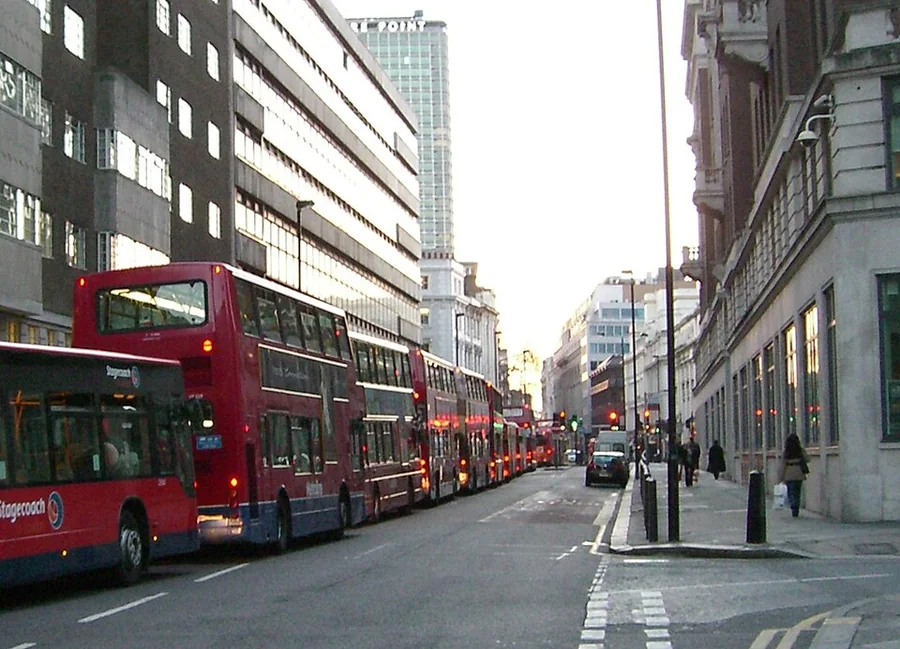
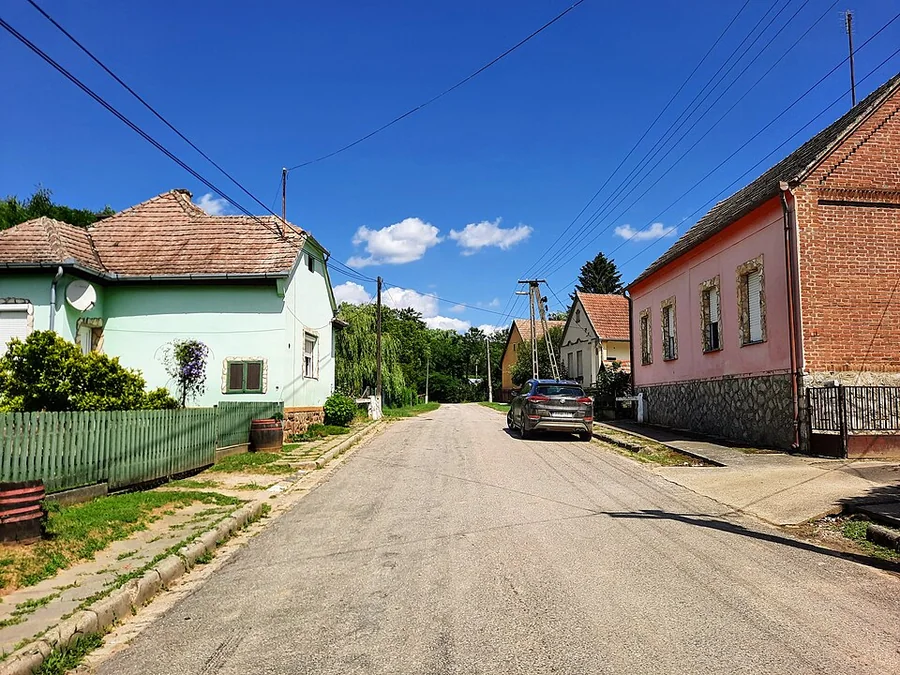
The first photograph shows a city street during rush hour: several lanes of traffic barely moving, crowded pavements, tall buildings on both sides and probably a good deal of noise. The second shows a village road with almost nobody on it — a few low houses, trees, and a single cyclist in the distance.
The obvious contrast is the pace of life, but I think the more interesting difference is choice. In the city everything is available, which is exhausting but also freeing; in the village very little is available, which is peaceful but limiting.
Cities offer jobs, universities, hospitals and culture. The price is congestion, air pollution and a much higher cost of living — in Budapest rent can take half of a starting salary.
Villages offer space, quiet and a close-knit community where people actually know each other. The price is dependence on a car, fewer job opportunities and shrinking services. When the shop, the post office and the school close one after another, the village doesn't just become quieter — it becomes hard to live in.
If I'm honest, the second picture looks more attractive to me and the first one is where I will be living for the next ten years. That contradiction is more or less the story of my generation.
8. Gyakori hibák
| Hibás | Helyes | Miért? |
|---|---|---|
| Budapest is more big than Szeged. | Budapest is bigger than Szeged. | Egy szótagnál -er, nincs more. |
| Life in a village is cheaper as in a city. | …cheaper than in a city. | A „mint" hasonlításkor than. |
| My town has 60,000 peoples. | My town has 60,000 people / inhabitants. | A people már többes szám. |
| I live in a small town close Szeged. | …close to Szeged / near Szeged. | A close után kell a to; a near után nem kell. |
| There is many things to do. | There are many things to do. | Többes szám → are. |
| It is the most big city of Hungary. | It's the biggest city in Hungary. | Felsőfoknál in + hely, nem of. |
| In my town are a lot of parks. | In my town there are a lot of parks. | A there kötelező. |
| The traffic are terrible. | The traffic is terrible. | A traffic megszámlálhatatlan. |
Kulcsfogalmak
- Urban vs. rural — városi és vidéki; a tétel alap-ellentétpárja.
- The outskirts / the suburbs — a város széle, illetve a külváros.
- Facilities / amenities — a település szolgáltatásai és ellátottsága: bolt, orvos, iskola, közlekedés.
- Depopulation / rural exodus — elnéptelenedés és elvándorlás a vidékről.
- Close-knit community — összetartó közösség; a falu legerősebb érve.
- Cost of living — megélhetési költség; a város legerősebb ellenérve.
- Pace of life — az élet tempója; ez a képösszehasonlítás legjobb tengelye.
- Comparatives and superlatives — a fokozás; ennek a tételnek a nyelvtani magja.
Összegzés
- A tétel két részből áll: a saját lakóhelyed bemutatása és a város–falu összehasonlítás.
- A településről mondj konkrét adatot: lakosságszám, fekvés, miről ismert — ez különböztet meg a többiektől.
- A fokozás szabálya: egy szótag → -er/-est, hosszabb melléknév → more/most; a „mint" mindig than.
- Felsőfoknál in + hely: the biggest city in Hungary.
- A people és a traffic buktató: az előbbi már többes szám, az utóbbi megszámlálhatatlan.
- Az elvándorlásra legyen három okod: munka, oktatás, szolgáltatások — és nevezd meg, hogy ezek erősítik egymást.
- A képösszehasonlításnál a legjobb tengely az életritmus és a választási lehetőségek mennyisége; zárd őszinte saját állásfoglalással.