Lakás, otthon, a szobám – My home and my room
Tételszám: #9 | Kategória: Környezetünk | Szint: Középszint szóbeli (2026)
1. Miről szól ez a tétel?
A Környezetünk témakör első tétele. Három részből áll:
- a lakás vagy ház leírása (helyiségek, berendezés),
- a saját szoba részletes bemutatása,
- vélemény a lakhatásról: ház vagy lakás, bérlés vagy vásárlás, együttélés a szülőkkel.
Ez a tétel a helyhatározós szerkezetek (prepositions of place) terepe. Ha ezeket pontosan használod, a leírás azonnal természetesen hangzik.
2. Kulcsszókincs — lakástípusok és helyiségek
| Angol | Magyar |
|---|---|
| block of flats (GB) / apartment building (US) | társasház |
| detached house | különálló családi ház |
| semi-detached house | ikerház |
| terraced house | sorház |
| bungalow | földszintes ház |
| studio flat | garzon |
| ground floor / first floor | földszint / első emelet |
| hall | előszoba |
| living room | nappali |
| bedroom | hálószoba |
| bathroom / toilet | fürdőszoba / mosdó |
| kitchen | konyha |
| pantry | kamra |
| attic / loft | padlás |
| basement / cellar | alagsor / pince |
| balcony / terrace | erkély / terasz |
| garden / yard | kert / udvar |
⚠️ Emeletszámozás. Britben a ground floor a földszint, és a first floor már az első emelet. Amerikaiban a first floor maga a földszint. Vizsgán a brit rendszer a biztonságos.
3. Kulcsszókincs — berendezés
| Angol | Magyar |
|---|---|
| furniture | bútor (megszámlálhatatlan!) |
| a piece of furniture | egy bútordarab |
| wardrobe | ruhásszekrény |
| chest of drawers | fiókos szekrény |
| bookshelf / bookcase | könyvespolc |
| desk | íróasztal |
| bedside table | éjjeliszekrény |
| curtains / blinds | függöny / roló, reluxa |
| carpet / rug | szőnyegpadló / szőnyeg |
| cushion | díszpárna |
| appliances | háztartási gépek |
| cosy | otthonos, hangulatos |
| spacious / roomy | tágas |
| cramped | szűkös |
⚠️ furniture megszámlálhatatlan: „We bought some new furniture", nem „a new furniture" vagy „furnitures". Egy darab: a piece of furniture.
4. Helyhatározós szerkezetek — a tétel nyelvtani magja
| Szerkezet | Példa |
|---|---|
| There is / There are | There is a desk under the window. There are two chairs. |
| in the corner | The bed is in the corner of the room. |
| in the middle of | A rug lies in the middle of the floor. |
| next to / beside | The wardrobe is next to the door. |
| opposite | The bookshelf is opposite the bed. |
| above / below | There's a shelf above my desk. |
| between | The lamp stands between the bed and the wall. |
| on the left / on the right | On the left you can see my desk. |
| facing / overlooking | My window overlooks the garden. |
⚠️ Gyakori hiba: „In my room there are a bed and a desk." → Az első alanyhoz kell egyeztetni: „In my room there is a bed and a desk." (Ha az első elem többes számú, akkor there are: there are two chairs and a desk.)
5. Első feladat: társalgás — kérdések és mintaválaszok
Q: Could you describe where you live?
We live in a semi-detached house on the edge of town, about fifteen minutes' walk from the centre. It's not big, but it's enough for four people: downstairs there's a hall, a kitchen with a dining area, a living room and a small toilet; upstairs we have three bedrooms and the bathroom. There's a garden at the back, which my father takes far more seriously than the rest of us do.
Egy ikerházban lakunk a város szélén, körülbelül tizenöt perc sétára a központtól. Nem nagy, de négy embernek elég: lent van egy előszoba, egy konyha étkezővel, egy nappali és egy kis mosdó; fent három hálószoba és a fürdőszoba. Hátul van egy kert, amit apám sokkal komolyabban vesz, mint a többiek.
Q: Tell me about your room.
It's the smallest bedroom, but it's the one with the best view, so I don't mind. As you come in, the bed is on the left against the wall, and opposite it there's my desk under the window. Above the desk there's a shelf with my books and a photo of my old dog. There's a wardrobe next to the door and not much else — the room is too small for anything more. I painted the walls dark green last summer, which my mother still hasn't forgiven me for.
A legkisebb hálószoba, de a legjobb kilátással, úgyhogy nem bánom. Ahogy belépsz, balra van az ágy a falnál, szemben pedig az íróasztalom az ablak alatt. Az asztal fölött van egy polc a könyveimmel és egy fotóval a régi kutyámról. Az ajtó mellett van egy szekrény, és nem sok más — a szoba túl kicsi bármi többhöz. Tavaly nyáron sötétzöldre festettem a falakat, amit anyám máig nem bocsátott meg.
Q: Would you rather live in a house or a flat?
It depends on the stage of life. A house gives you space and a garden, which matters a lot with children or pets. But houses need constant work — my father spends most weekends fixing something — and they're usually further from everything. If I'm honest, for the next ten years I'd choose a flat in the centre: less space, but I could walk everywhere and I wouldn't own a lawnmower.
Életszakasztól függ. Egy ház teret és kertet ad, ami sokat számít gyerekkel vagy állatokkal. De a házakkal folyton dolgozni kell — apám a hétvégéi nagy részét azzal tölti, hogy megjavít valamit —, és általában messzebb vannak mindentől. Ha őszinte vagyok, a következő tíz évre egy belvárosi lakást választanék: kevesebb hely, de mindenhová gyalog mehetnék, és nem lenne fűnyíróm.
Q: Is it common in Hungary for young people to live with their parents?
Yes, much more common than in Western Europe. Most people I know will stay at home well into their twenties, and it's not usually a choice — rents in Budapest are very high compared to starting salaries, and buying a flat without help from your family is close to impossible. Culturally it's also more accepted here; nobody thinks you've failed if you're twenty-five and still at home.
Igen, sokkal gyakoribb, mint Nyugat-Európában. A legtöbb ismerősöm jóval a húszas éveibe is otthon marad, és ez általában nem választás — a budapesti albérletárak nagyon magasak a kezdő fizetésekhez képest, lakást venni pedig családi segítség nélkül szinte lehetetlen. Kulturálisan is elfogadottabb itt; senki nem gondolja, hogy megbuktál, ha huszonöt évesen még otthon laksz.
6. Második feladat: szituáció
Situation: You are going to share a flat with a friend. Discuss what kind of place you are looking for.
You: Before we start looking, we should agree on what we actually need, otherwise we'll waste weeks. Friend: Fine. I'd say two bedrooms, obviously. You: Agreed. What matters more to you — being close to the university, or having more space for the same money? Friend: Close to the university, definitely. I don't want to commute. You: Same here. That probably means a smaller flat in an older block. Would you be OK with the ground floor? Friend: Not really — I'd worry about security. You: Fair enough. Let's say first floor or above, two bedrooms, within twenty minutes' walk. And we should set a maximum rent now, before we see something we can't afford and fall in love with it.
Amit itt értékelnek: hogy prioritásokat egyeztetsz, kompromisszumot kötsz, és udvarias, óvatos szerkezeteket használsz (Would you be OK with…?, That probably means…).
7. Harmadik feladat: önálló témakifejtés (képösszehasonlítás)
Feladat: Compare a photo of a modern flat in a high-rise building with a photo of an old village house with a large garden.
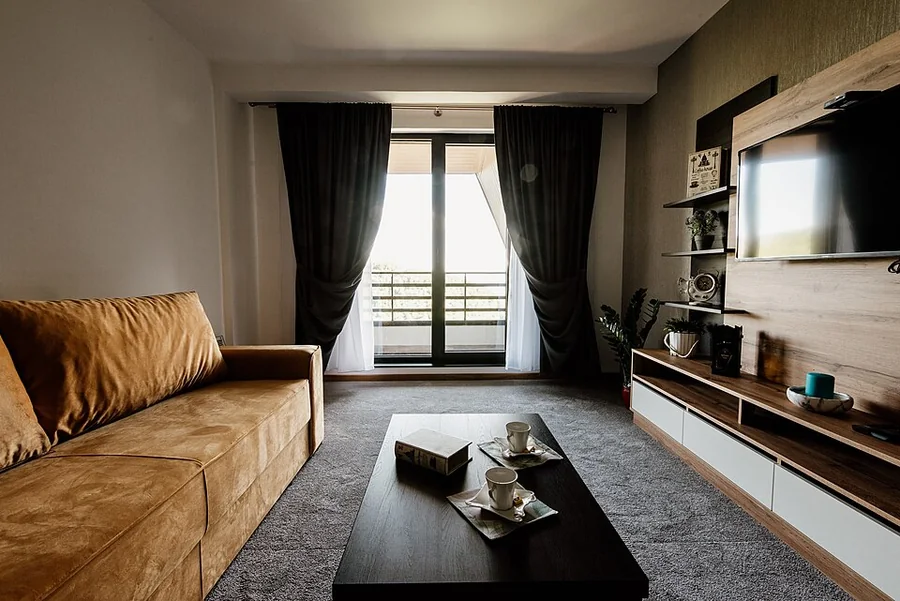
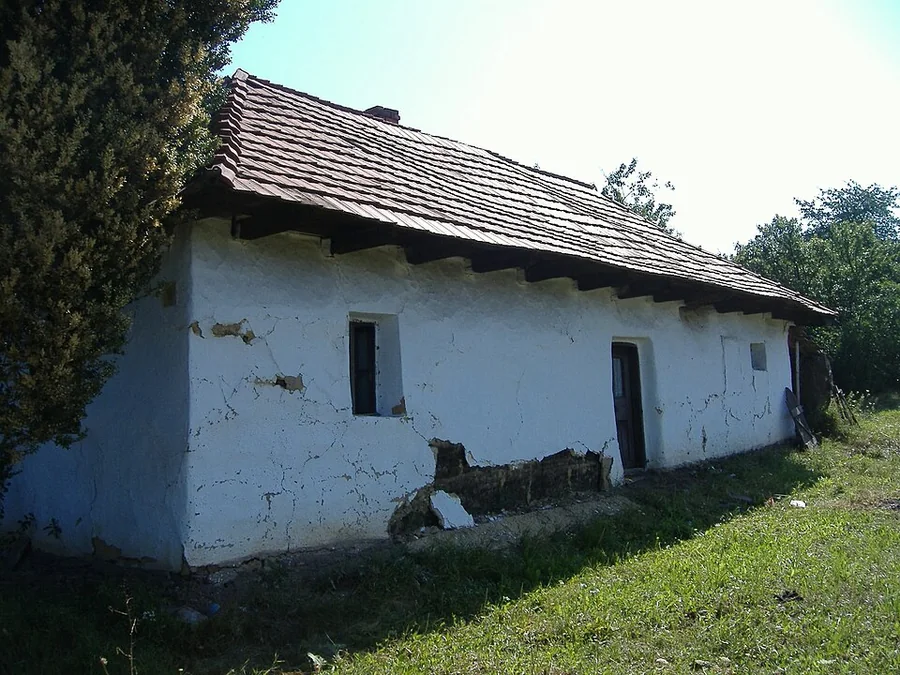
The first picture shows a modern flat, probably high up in a tower block: big windows, a view over the city, minimal furniture and a lot of light. Everything looks new and easy to clean. The second shows an old village house with a tiled roof, a wooden porch and a large garden with vegetables growing in rows.
The two represent two different ideas of comfort: convenience on one side, space and self-sufficiency on the other.
The flat has the practical advantages. Everything is within reach, it's cheaper to heat, and there's no roof to repair. The disadvantages are noise, neighbours very close on all sides, and no outdoor space of your own.
The village house offers something the flat cannot: room, quiet, and the possibility of growing your own food, which more people have become interested in recently. But it usually means a car for everything, old heating systems, and constant maintenance.
Which one suits you depends less on taste than on your stage of life and your work. Since remote work became normal, living in a village stopped being only an option for retired people — and I think that's the most interesting change of the last few years.
8. Gyakori hibák
| Hibás | Helyes | Miért? |
|---|---|---|
| We bought a new furniture. | We bought some new furniture. | A furniture megszámlálhatatlan. |
| There are a bed and a desk in my room. | There is a bed and a desk in my room. | Az első alanyhoz egyeztetünk. |
| I live in a flat on the first floor. (ha földszint) | …on the ground floor. | Britben a földszint ground floor. |
| My room is very cosy and it has 12 square meters. | My room is about 12 square metres. | A méretet a be igével adjuk meg. |
| In front of my window there is a beautiful view. | There's a beautiful view from my window. | A kilátás valahonnan (from) nyílik; ha azt mondod, mire néz az ablak: My window overlooks the garden. |
| I live here since I was born. | I've lived here since I was born. | Máig tartó állapot → Present Perfect. |
| We have two toilets and one bath. | …one bathroom. | A bath a kád; a helyiség bathroom. |
| My house has four rooms and a kitchen. ✔ de: The kitchen is a room too. | …four rooms, not counting the kitchen. | Magyarul a „szoba" nem tartalmazza a konyhát, angolul a room igen — pontosíts. |
Kulcsfogalmak
- Detached / semi-detached / terraced house — különálló ház, ikerház, sorház; a brit lakástípusok alapszókincse.
- Ground floor vs. first floor — a brit és amerikai emeletszámozás eltérése.
- Furniture — megszámlálhatatlan főnév; egy darab: a piece of furniture.
- There is / There are — a létezést kifejező szerkezet; az egyeztetés az első alanyhoz igazodik.
- Prepositions of place — helyhatározós elöljárók (next to, opposite, above, between); ennek a tételnek a nyelvtani magja.
- To overlook — kilátni valamire: My window overlooks the garden.
- Cosy / spacious / cramped — otthonos, tágas, szűkös; a szoba jellemzésének három alapmelléknéve.
- Remote work — távmunka; a lakóhelyválasztásról szóló érvelés legaktuálisabb eleme.
Összegzés
- A tétel három részből áll: a lakás leírása, a saját szoba részletes bemutatása, és vélemény a lakhatásról.
- A szobát rendszerezetten írd le: As you come in, on the left… opposite that… above the desk… — ez adja a szerkezetet.
- Tanuld meg a helyhatározós elöljárókat, ez a tétel nyelvtani magja.
- A furniture megszámlálhatatlan: some furniture, a piece of furniture, soha nem furnitures.
- A brit ground floor a földszint — a first floor már az első emelet.
- A magyar sajátosságot érdemes megnevezni: itt a fiatalok jóval tovább élnek a szülőkkel, mert az albérletárak magasak a kezdő fizetésekhez képest.
- A képösszehasonlításnál a jó tengely: kényelem vs. tér és önellátás, a távmunka pedig friss, jól mutató érv.